

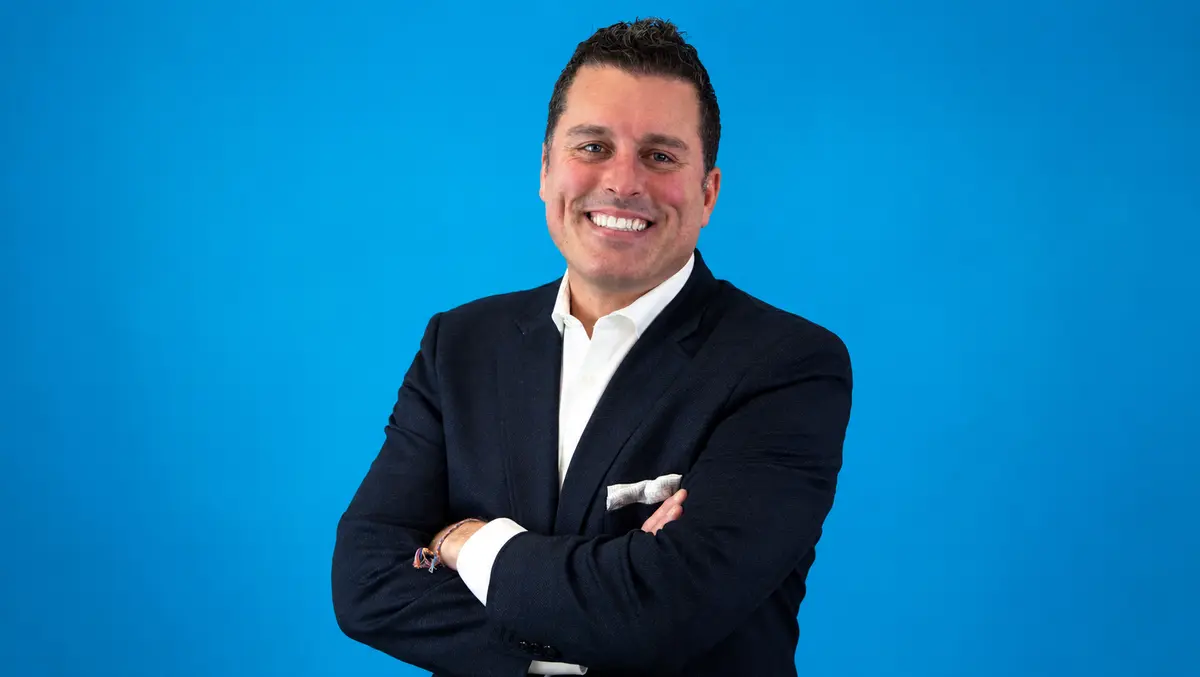
IDeaS: AI driving shift towards smarter, data-led hotel marketing
Thu, 19th Nov 2026 (Today)
Hospitality marketers are being encouraged to move beyond traditional customer segmentation and engagement metrics, with technology increasingly enabling hotels to use real-time demand intelligence to make more commercially informed marketing decisions.
Previously, marketing teams have relied heavily on historical performance data, fixed customer segments and predetermined promotional calendars to guide their campaigns. However, advances in forecasting technology and AI are creating opportunities for businesses to take a more dynamic and predictive approach.
By combining information such as booking behaviour, demand forecasts and customer price sensitivity with real-time market conditions, marketers can better identify where campaigns are likely to generate additional business, according to Chief Marketing Officer at IDeaS, Mike Chuma.
The shift is particularly important for hospitality businesses, where demand can fluctuate significantly between dates, customer segments and markets.
Instead of simply analysing what happened in the past, marketers can use technology to identify emerging opportunities and determine where their advertising budgets are most likely to influence customer behaviour.
"Historical data is still useful, but the limitation is obvious: it tells you what happened yesterday," Chuma said.
"It doesn't necessarily tell you where the opportunity is tomorrow. The biggest change is the ability to move from analysis, to action, to outcome at lightspeed."
This approach could reduce hotels' reliance on broad promotional strategies, allowing marketing teams to identify periods of softer demand and target customers who are more likely to respond to specific offers or messaging.
"I think the important distinction is that a "need period" isn't automatically a marketing opportunity," Chuma said.
"You must ask: 'Do we need more demand, and can marketing actually do something about it?'
"For example, if you're already expecting to sell out on a particular weekend, putting more money behind a promotion isn't going to accomplish much. In some cases, discounting might simply mean giving up revenue on bookings you were going to get anyway.
"On another date, you might see softer demand or a segment of customers that is particularly responsive to price or messaging. That's a very different opportunity. That's the idea behind IDeaS Spotlight and its Potential to Influence capability. It helps marketers see where demand is still up for grabs, so they can put their money behind the dates and opportunities where they have a realistic chance of changing the outcome."
The growing availability of demand intelligence is also highlighting the importance of closer collaboration between marketing and revenue management teams.
Although both functions ultimately aim to improve a hotel's commercial performance, they have traditionally operated with different priorities and measurements of success.
"The revenue team is thinking about future demand, pricing and profitability. Marketing might be focused on engagement, acquisition and campaign performance," Chuma explained.
"The problem comes when those two views aren't connected. You can end up spending marketing dollars on dates where demand is already strong while overlooking periods where a campaign can drive new opportunities.
"I think the answer starts with giving both teams a shared view of the opportunity and agreeing on what success looks like. Instead of marketing asking, 'How many clicks did we generate?' and revenue management asking, 'Did we hit our forecast?', the better question is, 'Did we improve the commercial outcome together?'
"That's also where technology like Spotlight can help. It takes forecasting and demand intelligence that traditionally sits closer to the revenue-management side of the business and makes it actionable for marketers."
The shift also reflects changing expectations of marketing leaders, who are increasingly being asked to demonstrate a direct contribution to business performance rather than simply reporting campaign activity.
Impressions, clicks and conversions remain useful indicators, but they do not necessarily demonstrate whether a marketing investment has generated additional revenue.
The more important question, Chuma explained, is whether a campaign created business that the hotel would not otherwise have secured.
"If you spend money promoting a period that was already going to sell out, you might end up with a campaign that looks fantastic on paper, but hasn't created much incremental value," he said.
By contrast, campaigns that encourage customers to book during quieter periods, secure higher-value reservations or influence customers who might otherwise have chosen another property can deliver more significant commercial benefits.
Therefore, marketing leaders are increasingly connecting campaign performance with incremental demand, revenue and profitability.
Sometimes, that could mean deciding not to spend money on a particular campaign.
If demand intelligence indicates that a promotion is unlikely to change booking behaviour, marketing teams can redirect the budget towards opportunities with a greater potential return.
"Ultimately, marketing needs to get closer to the profit and loss statement," Chuma said.
"We should absolutely understand engagement and conversion, but we also must connect those activities back to incremental demand, revenue and profitability."
The growing adoption of AI is expected to accelerate the shift, changing the responsibilities of CMOs and their teams.
While AI can analyse large volumes of information, identify patterns and recommend potential strategies, the technology remains unlikely to replace the human judgement required to build brands and maintain customer relationships.
Instead, automating time-consuming data analysis, and identifying commercial opportunities, could give marketers more time to focus on customer understanding, creative development and longer-term brand strategy.
The role of the CMO is also expected to become more commercially-focused as the traditional boundaries between marketing, revenue management, sales and distribution continue to blur.
In hospitality, each function influences the same customer journey, making coordination increasingly important to achieving business objectives.
AI can help marketing leaders understand where opportunities exist, estimate their potential value and determine how best to pursue them.
However, decisions about customer relationships, brand positioning and the direction of a business will continue to require human oversight.
"AI makes the human side of marketing more important, not less," Chuma said.
"It can't own the relationship with the customer or decide what's right for the brand. That still takes human judgement."