

Google to launch Android XR audio glasses this autumn
Thu, 21st May 2026
Google said its Android XR platform will launch audio smart glasses this autumn, marking the first commercial eyewear release under its broader intelligent eyewear plans.
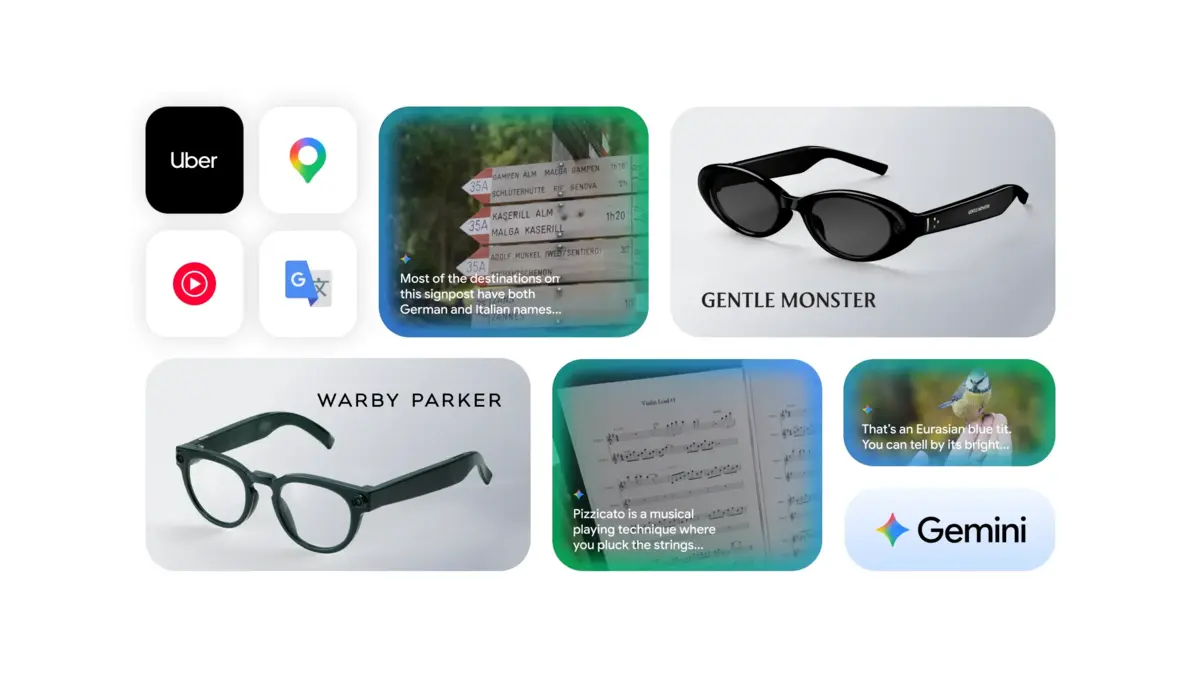
The glasses will be offered through partnerships with Samsung and eyewear brands Gentle Monster and Warby Parker. Google previewed two of the first designs ahead of broader collections from those brands later this year.
The launch is part of Google's Android XR effort, developed with Samsung and Qualcomm. The platform is intended to support headsets, glasses and other wearable devices tied to its Gemini artificial intelligence system.
Audio glasses are the first of two product categories Google has outlined. The second, display glasses, is designed to show information in the user's field of view, while the audio model focuses on spoken responses delivered through speakers built into the frames.
Users will be able to activate Gemini by saying "Hey Google" or by tapping the side of the frame. The system is designed to answer questions about a user's surroundings and carry out tasks through voice prompts.
Uses outlined by Google include identifying nearby places, explaining objects in view and interpreting road or parking signs. The glasses will also provide turn-by-turn navigation, using location and orientation data to tailor directions to where a wearer is standing and facing.
Phone links
The eyewear will connect with both Android and iOS phones. Wearers will be able to manage calls, send text messages and receive summaries of missed messages without taking out their handset.
Google also outlined links to music and app services. Users will be able to request music through voice commands and access services such as Uber and Mondly through apps installed on a paired phone.
The product also includes image-capture features. Wearers will be able to take photos and videos by voice command, then edit images using AI tools, including one option to remove background distractions or alter a picture's appearance.
Translation is another feature Google highlighted. The glasses will offer real-time speech translation and can also read written text on menus and signs aloud in another language.
Task support
Gemini will also handle some multi-step tasks in the background. One example Google gave was preparing a coffee order through Doordash, leaving the wearer to complete only the final confirmation.
The eyewear push puts Google back in a category drawing renewed interest as large technology companies look for new hardware formats for AI assistants. Rival groups across the sector have been testing products that combine microphones, cameras, speakers and software assistants in devices intended to be worn throughout the day.
For Google, the emphasis appears to be on building the devices through fashion and hardware partnerships rather than offering a single in-house frame design. Working with Gentle Monster and Warby Parker suggests a strategy aimed at making the glasses resemble mainstream eyewear rather than specialist technology products.
Samsung's role ties the launch to Google's wider work on extended reality devices, while Qualcomm's inclusion reflects the need for mobile chips that can process voice, sensor and AI functions in compact hardware. Google did not provide pricing details.
Google set out a broad range of uses for the product, from communications and navigation to photography, translation and shopping tasks. The glasses are intended to provide assistance while keeping users hands-free and able to look ahead rather than down at a phone.
Audio glasses are launching first, later this fall.