

GFF AI launches in Singapore with enterprise intelligence
Tue, 4th Aug 2026
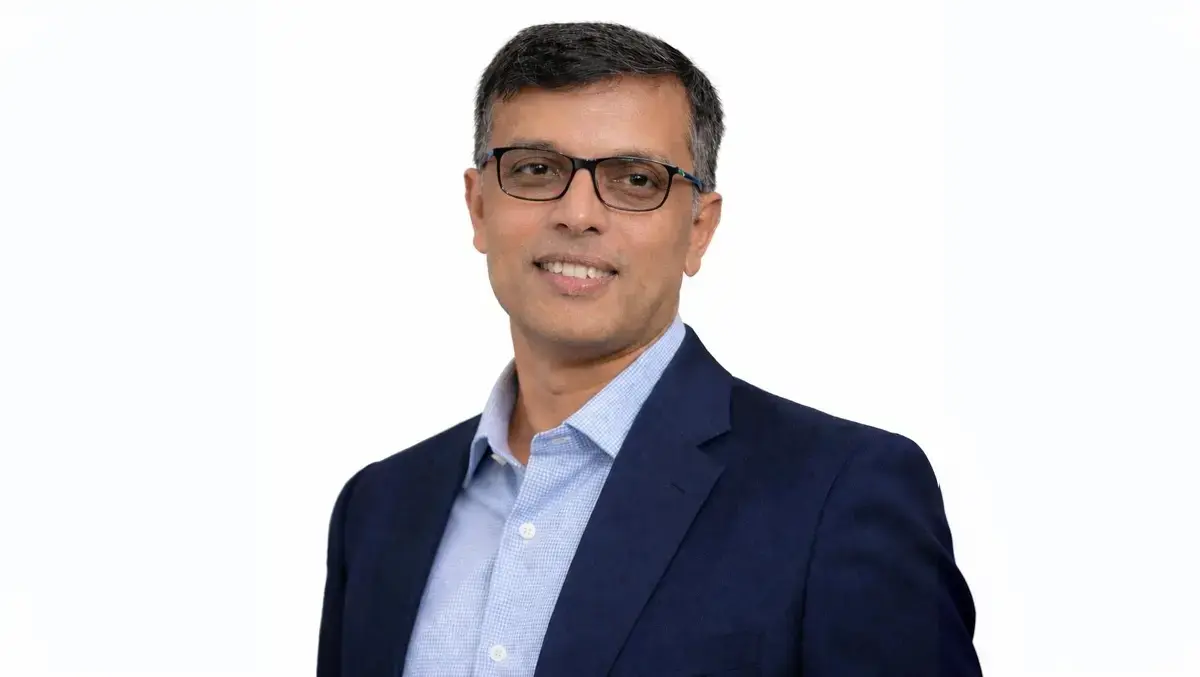
GFF AI has launched in Singapore. The company was founded by former KPMG AI Partner Dr. Ashish Chandra.
The business is introducing what it calls Enterprise Intelligence Engineering, a model intended to help organisations move from digital operations to AI-native ones. It brings together enterprise intelligence platforms, agentic AI systems, sovereign AI infrastructure, and responsible AI and governance.
The model is designed to embed intelligence more deeply into business operations, decision-making, and enterprise systems. GFF AI presents the approach as a single framework rather than a series of separate advisory, infrastructure, and software projects.
At the centre of the offering is an enterprise intelligence platform. According to GFF AI, this includes AI factories, enterprise knowledge graphs, memory networks, digital twins, AI centres of excellence, and board AI command centres.
Another part of the model focuses on agentic AI systems. These systems are intended to support digital workforces through private large language models and multi-agent enterprise operating systems designed to automate complex processes and assist decision-making.
Sovereign AI infrastructure is also central to the company's pitch. This includes GPU infrastructure advisory, AI architectures, and sovereign AI platforms for enterprises and governments seeking tighter control over how AI systems are deployed and managed.
A fourth pillar is responsible AI and governance. This covers AI governance, responsible AI engineering, and AI FinOps, intended to keep AI adoption secure, explainable, compliant, and economically sustainable.
Sector focus
Initial target sectors include banking, insurance, mining, government, defence, manufacturing, healthcare, retail, telecommunications, and higher education. These industries have been among the most active in testing AI tools while also facing growing pressure around regulation, security, data control, and returns on investment.
Singapore has become a notable base for AI companies seeking access to Asian markets, particularly in regulated sectors and public sector work. GFF AI's emphasis on sovereign infrastructure and governance reflects a broader market trend as customers weigh the benefits of AI adoption against concerns about data control, model transparency, and operational risk.
Dr. Chandra framed the launch as part of a wider shift in how companies use AI.
"We are entering a defining era where enterprise competitiveness will no longer be determined by the adoption of AI alone, but by an organisation's ability to engineer intelligence into every aspect of its business. The next wave of transformation is about moving beyond digital enterprises to AI-native enterprises, where intelligent systems, digital workforces and AI Factories become integral to how organisations operate, innovate and create value. At GFF AI, we are introducing Enterprise Intelligence Engineering as a new enterprise discipline that brings together strategy, intelligent systems, sovereign AI infrastructure and responsible AI governance into a unified operating model. Our vision is to help organisations build Enterprise Operating Intelligence that is secure, scalable and sustainable, enabling them not just to embrace AI, but to fundamentally redefine how their businesses will operate in the age of intelligence," said Dr. Ashish Chandra, Founder & Chief Executive Officer of GFF AI.
Market approach
GFF AI plans to work with enterprises, governments, hyperscalers, and technology partners. That partner-led approach is common in the AI market, where consulting firms, cloud groups, systems integrators, and specialist software providers are competing to shape large transformation budgets.
What distinguishes the company's market positioning is its attempt to combine strategy, infrastructure, operating systems, and governance under one label. Many established providers already offer parts of that stack, but GFF AI argues that buyers increasingly want a more joined-up model as AI projects move from pilot programmes into core operating environments.
The pitch comes as companies reassess earlier automation and analytics investments. For many large organisations, the challenge has shifted from experimenting with standalone AI tools to integrating models, data systems, workflow automation, and governance into day-to-day operations.
Whether that framing gains traction will depend on customer demand in sectors with complex regulatory, security, and operational requirements. For now, GFF AI is entering a crowded but expanding market with a proposition built around private models, multi-agent systems, sovereign infrastructure, and governance controls.
Its initial message to potential customers is that AI adoption must move beyond isolated deployments into enterprise-wide operating models that can be managed, audited, and aligned with business processes.