

Hyundai Card launches PLCC 2.0 with AI tools for partners
Fri, 13th Nov 2026 (Today)
Hyundai Card has launched PLCC 2.0, a new private label credit card model, building on about USD $800 million invested in artificial intelligence and data science over the past decade.
The South Korean card issuer designed the model to connect partner companies to its in-house artificial intelligence tools, rather than requiring them to build their own data systems. It is centred on a package called UNIVERSE for Partners, or U4P, which can be used for recommendation, prediction and optimisation.
Hyundai Card has been a prominent operator in South Korea's private label credit card market, where card products are developed with partner brands. With PLCC 2.0, it is extending that approach beyond card issuance into data-driven business planning, marketing and other joint projects with partner companies.
U4P is offered as software as a service, allowing partner businesses to receive updates over time. The new model is also linked to Domain Cosmos, a data alliance that currently spans about 260 million consumers through Hyundai Card's partner network.
Data model
The scale of that network is central to Hyundai Card's case for the new system. By pooling transaction and partner data across sectors, it says it can give partners customer analysis and targeted recommendations without requiring each company to build its own large data infrastructure.
The approach comes as financial groups and consumer businesses look for practical uses for artificial intelligence in marketing, loyalty schemes and product development. Hyundai Card is presenting the card relationship as a route to wider commercial collaboration with airlines, retailers, technology groups and car brands.
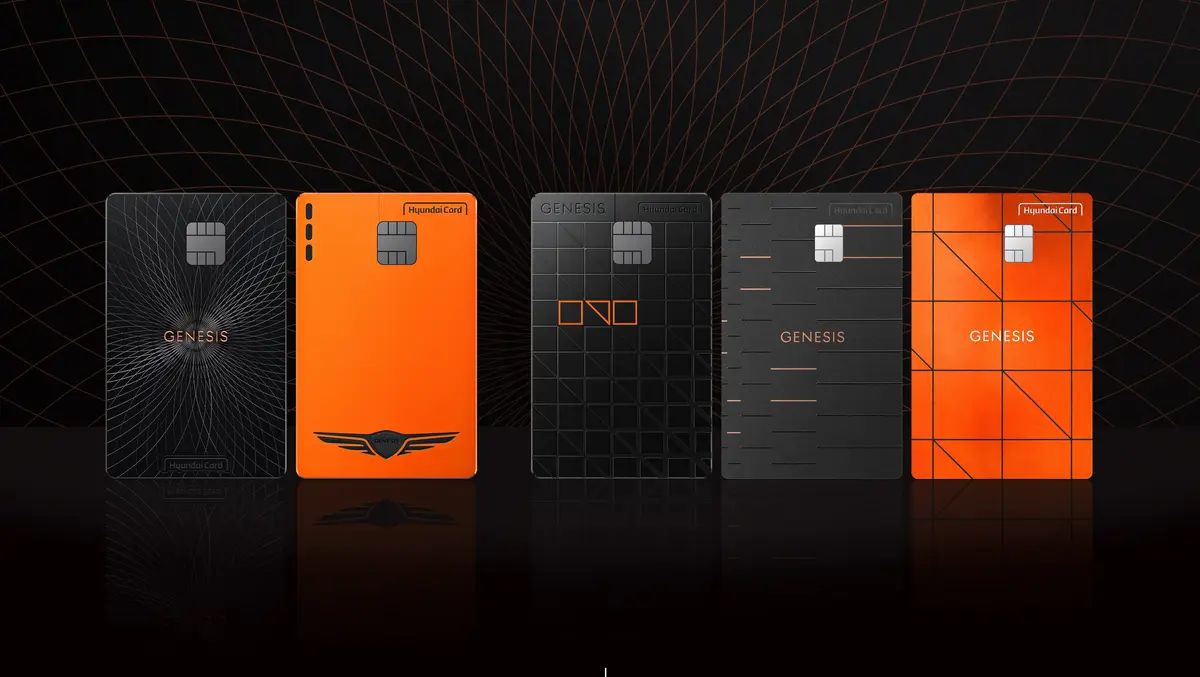
The latest partner expected to adopt U4P is Genesis, the premium automotive marque of Hyundai Motor. Hyundai Card described the move as part of a broader expansion of its private label model into other areas of partner operations.
Examples cited by Hyundai Card include support for Korean Air in adopting Starlink in-flight Wi-Fi and work with retailer Emart to develop ready-to-eat meals based on restaurant menu items identified through payment data. The projects show how Hyundai Card is trying to turn card spending information into commercial insights for partner groups outside financial services.
Overseas push
The launch also follows Hyundai Card's effort to commercialise its in-house software beyond South Korea. It said it had exported its UNIVERSE platform to Japan through a deal with Sumitomo Mitsui Card Company, which it described as the largest single software export contract of its kind by a South Korean company.
That deal has become a reference point as Hyundai Card seeks to show that the technology behind PLCC 2.0 has already been used beyond its home market. It also expects the Domain Cosmos alliance to grow into a broader international network.
Private label and co-branded cards have long been used by retailers, airlines and online platforms to support loyalty and repeat spending. Hyundai Card's latest model suggests the next phase of competition may centre less on points and discounts alone and more on which issuer can offer partner companies useful consumer analysis and product planning tools.
In South Korea, where card issuers have faced pressure on fees and lending margins, that broader business-to-business role could provide another source of revenue and strategic influence. For partner companies, the appeal lies in access to customer insight tools without the upfront cost of building their own systems at a similar scale.
Wider partnerships
Hyundai Card is also extending some partnerships into cultural and sports marketing. It said its work with NAVER, previously focused on card products and data science, is being expanded to include cultural content planning and sports initiatives.
That reflects a broader strategy in which Hyundai Card uses entertainment and events to deepen partner relationships and customer engagement. It has previously built a profile in South Korea through its Super Concert and Super Match programmes, and it said the new private label framework supports that wider style of collaboration.
"Hyundai Card has officially unveiled PLCC 2.0 - a next-generation Private Label Credit Card (PLCC) model combining stronger rewards, exclusive cultural experiences, advanced AI-powered data science solutions, and strategic collaboration to create greater value for both cardholders and partner companies," Hyundai Card said.