Online Safety stories
ITSEC Asia teams with Infinix to pre-install AI cyber defence app IntelliBroń Aman on new smartphones, targeting 100,000 users in Indonesia.
WhatsApp launches Strict Account Settings, a lockdown mode offering tighter privacy and security for journalists and other high‑risk users.
Snapchat adds detailed screen-time and friend context tools to Family Centre, giving parents new teen safety insights without reading chats.
Logitech G tips 2026 as a turning point, with blockbusters, ageing gamers, creators and cosy live-service worlds reshaping how we play.
Bitdefender warns of a global surge in fake job emails posing as Amazon, Carrefour and the NHS, stealing data, money and account logins.
YouTube sets 2026 agenda with tougher child safety tools, bigger creator payouts and expanded AI across production and viewing.
Online shopping scams in the UK jumped 416% in late 2025 as malvertising, social media fake shops and deepfake frauds surged, Gen warns.
Betsson adopts Group-IB's real-time fraud tech to counter rising account takeovers, bonus abuse and payment scams across its platforms.
Governments worldwide tighten social media age checks for children, fuelling demand for privacy-friendly facial age estimation tools.
A deepfake surge is driving relentless AI-powered celebrity scams, with persona kits and adaptive fraud campaigns eroding online trust.
Nearly half of New Zealand's online daters would consider dating an AI, as loneliness and mistrust reshape how Kiwis seek romance online.
Australia's digital economy heads for a 2026 reset as collaboration, AI literacy and sovereign cloud reshape work, data and family life.
Plans for a UK under-16 social media ban spark warnings it could damage the creator economy while missing deeper online safety flaws.
Digital rights group warns Australians to resist 'privacy paradox', urging tougher laws and everyday steps to curb online data tracking.
As generative AI spreads rapidly, experts warn governance is lagging and call for enforceable audits, red teaming and continuous oversight.
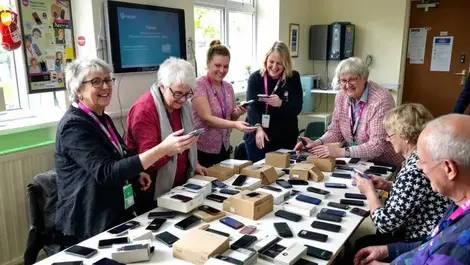
Virgin Media O2 will donate 12,000 refurbished smartphones in 2026 to help tackle digital exclusion and cut electronic waste across the UK.
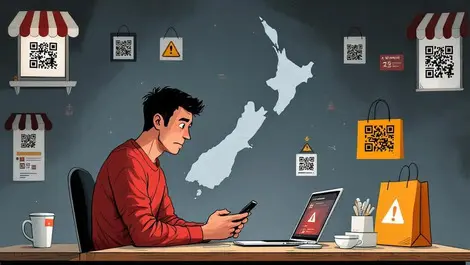
New Zealand faces a 271% jump in fake shop scams as criminals exploit routine clicks, QR scans and DIY guides to trick online shoppers.
CyberCX will stay on as the Australian Open's cyber security partner through 2026, as tennis ramps up defences against digital threats.
Canada commits to expanding high-speed internet to 1,922 rural and Indigenous homes across 28 communities in Saskatchewan.
Ofcom has opened a probe into X over claims its Grok AI tool enabled deepfake sexual images, testing the UK's new Online Safety Act.