Online Safety stories
The pact aims to curb counterfeit sales across major marketplaces by using shared intelligence and AI checks before listings go live.
Fans and jobseekers are being targeted by a growing wave of fake ticket, travel and recruitment scams ahead of the tournament.
The funding will help the London-based cybersecurity start-up expand in the UK and US as phishing-driven credential theft keeps rising.
Oxford Information Labs says cross-border scam probes could improve as the upgraded platform draws on about 28 million signals across ASEAN.
The deal is set to deepen research ties and speed up commercial use of quantum technologies, as Ottawa seeks trusted partners in a sensitive field.
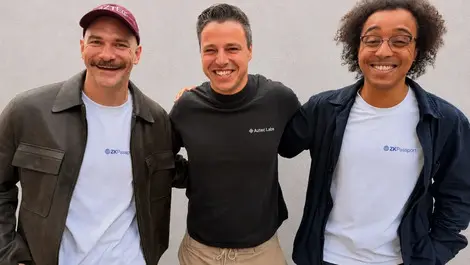
Privacy fears over centralised ID checks are set to deepen as Aztec Labs brings ZKPassport in-house for wider use.
Banks and payment firms could spot scams mid-session, as Darwinium's updated mobile SDKs track live calls, screen sharing and device evasion.
More than 642,000 young people in eight countries will gain AI and financial literacy lessons as the partnership enters its second year.
Fans risk losing money and personal data as scammers exploit demand for World Cup tickets, travel bookings and visa details.
A new report says one in four children are exposed to unwanted sexual contact online, with girls facing the highest risk before 18.
The honour spotlights TELUS's CAD $70 billion British Columbia investment as the company faces pressure to link spending with jobs and access.
End-of-financial-year deadlines are giving criminals a timely opening to steal credentials and financial data from Australians, Proofpoint says.
Parents are bearing most of the burden, as 78% of under-16s in Australia are still accessing social media covered by the ban.
Wealthy households face a rising risk of theft and fraud as attackers mine social media, smart devices and public profiles for easy entry points.
Victims in the UK lost GBP £106 million last year as fraudsters use AI, private messaging and emotional pressure to extract cash.
Fraudsters are reaching young people on social media before any payment is made, Ecommpay said, urging tougher platform accountability.
Confidence is lagging behind AI use in New Zealand, with most users still wary and many saying they would walk away over misuse.
Familiarity with AI fakery is not improving detection, as a UK survey found Britons struggled to spot manipulated video and stills.
With one in three firms still lacking basic protection, smaller UK businesses are facing a sharper threat and higher breach costs as attacks rise.
Growing use of AI fakery is forcing companies to verify who is really on screen before hiring, approving payments or granting access.













.webp)