Gmail stories
The move adds automation to a crowded Southeast Asian merchant software market, as Qashier says it now serves more than 25,000 businesses.
Local language support and mobile-first use have helped drive Gemini adoption across a region where younger users are setting the pace.
Startups could cut admin and coding time as Google folds Gemini into Workspace and lets teams assign persistent AI coworkers to routine tasks.
Small businesses and accountants can now check live cash flow, invoices and balances in Gemini without switching apps.
The rollout gives software vendors earlier access to buyer signals and third-party proof as AI-driven research reshapes enterprise purchasing.
Subscribers can now run sensitive AI tasks on Ryzen AI Max PCs locally, reducing cloud use and keeping more data on device.
High-end RTX users can now keep sensitive work on-device as Perplexity extends its local AI agent to supported Windows PCs.
For Google Workspace users, the new Defend release adds phishing detection, AI verdicts and employee coaching against business email compromise.
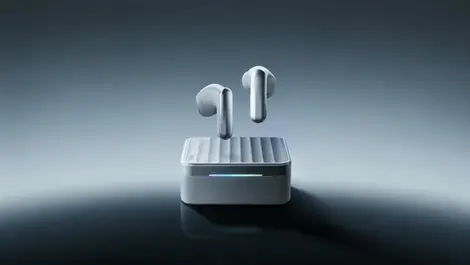
Workplace users can now capture meetings and calls without a phone, as Plaud's new earbuds pair with software that turns conversations into tasks.
The move could help IT teams track staff use, audit access and compliance risks across large Gemini Enterprise roll-outs without bespoke tools.
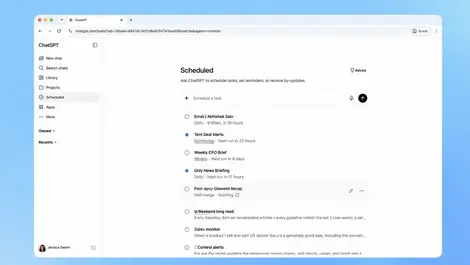
ChatGPT users can now manage reminders and recurring checks from a single sidebar page, as OpenAI folds Pulse into scheduled tasks.
A single phishing email can now compromise identities, bypass multifactor authentication and hit endpoints within five minutes, Barracuda said.
Smaller firms can now back up servers and Google Workspace, as CrashPlan widens its offering for businesses with fewer than 250 users.
The wearable targets professionals with meetings and calls, but it raises fresh questions over privacy as recordings are uploaded to the cloud.
Logistics back offices could cut time spent on emails and spreadsheets as the tool targets the manual tasks 70% of firms flag as a pain point.
A growing share of US adults doubt business emails as AI makes polished messages easier to fake, a survey found.
Australian users can now automate office tasks across apps and files as OpenAI rolls out ChatGPT Work and GPT-5.6 nationwide.
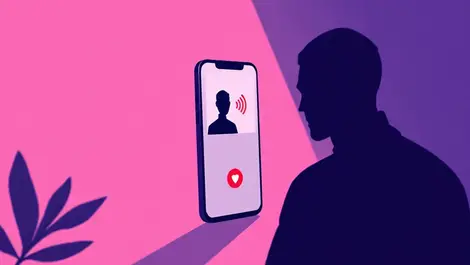
Android users will get a warning when a supposedly familiar caller may be spoofed, as deepfake-enabled scams rise.
Lower inbox visibility is making vital notices harder to reach New Zealanders, even as those opened are drawing more clicks.
Australian businesses may struggle to keep up as Asana expands AI across workflows, with only 14% having scaled it organisation-wide.