

MindSpace Labs uses EEG to track real-time TV reactions
Thu, 22nd Jan 2026.webp)
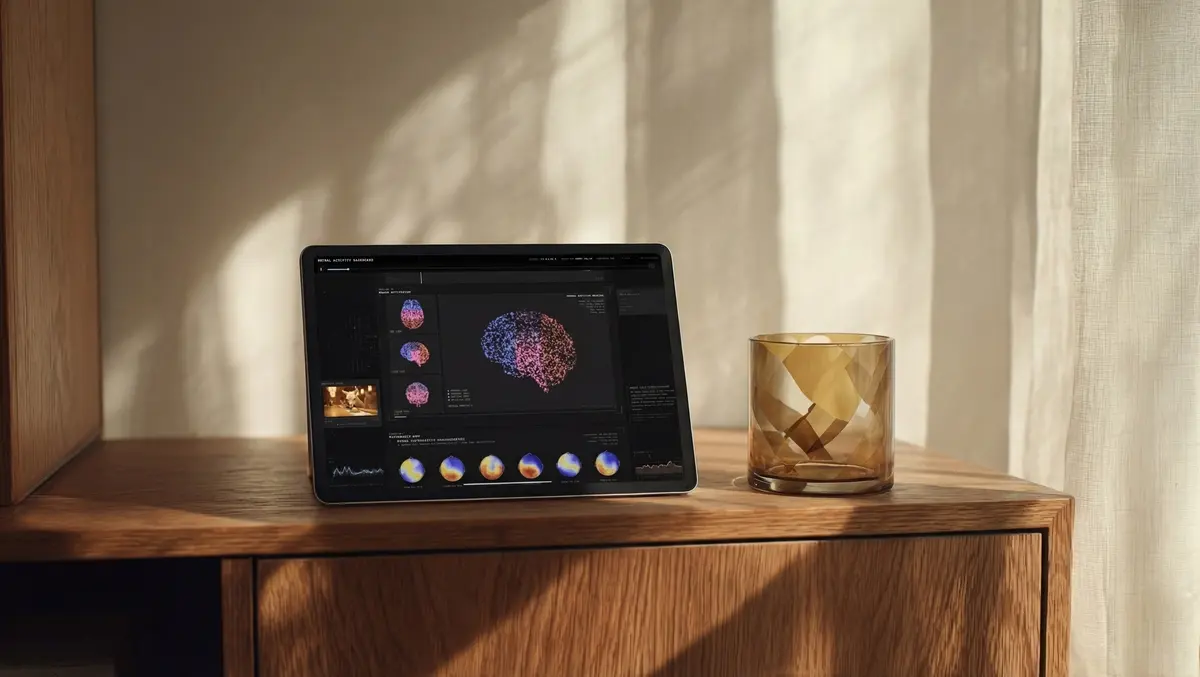
Hagia Labs and AI video creator László Gaál have launched MindSpace Labs, a new audience analysis platform that utilizes electroencephalography (EEG) to track viewer responses to screen-based content. Based in Singapore, the venture measures brain activity while participants watch edited cuts of video to provide data-driven insights into how audiences engage with specific media.
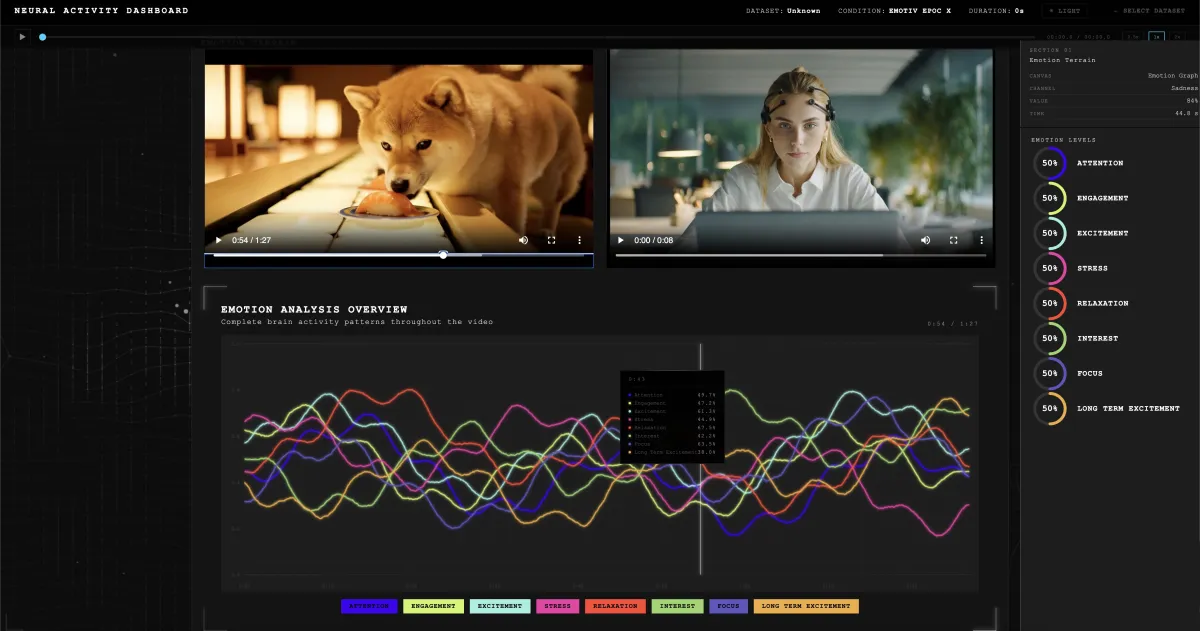
The platform produces time-aligned outputs that map neural reactions directly against the timeline of the content being tested. This allows creators and brands to identify precisely which moments elicit the strongest engagement or emotional responses. By integrating neuroscience with media production, MindSpace Labs aims to offer a more objective understanding of viewer behaviour than traditional self-reporting methods.
MindSpace Labs said its first major case study focuses on an upcoming television series. The project uses EEG data from viewers to compare different edits and sequences. It uses A/B testing across alternative cuts before the series reaches final delivery.
How it works
The platform records EEG signals across 14 regions and captures data 100 times per second per viewer. MindSpace Labs said it applies AI analysis and presents results in a dashboard that matches the video timecode.
The company said it measures engagement, attention, emotional valence and cognitive load. It said the system can highlight points where viewers feel engaged, excited, confused, or disengaged.
MindSpace Labs positioned the product as a response to changes in production economics. It said generative AI makes professional-looking content easier to produce at scale. It also said that shift raises questions about how creators judge what audiences connect with.
Sedat Boynuegri founded Hagia Labs. He formed MindSpace Labs with Gaál. Hagia Labs describes itself as a research and development company focused on AI-driven work for creative industries.
"We're entering an era where anyone can generate content that looks professional," said Sedat (Bin Vedat) Boynuegri, Founder, Hagia Labs. "When every video can be polished and every visual can be stunning, the question becomes: how do you create something that genuinely connects? Traditional focus groups tell you what people think they felt. Brain scanning tells you what they actually felt, second by second. That's the difference between guessing and knowing. The difference between a show or film that looks good, or one that actually IS good. And we are all afraid of AI generated slop-content, so let's try and stop that trend now, using human connection and understanding in our scriptwriting, visual creation, everything. Here, humanity becomes part of the tech stack, not an exclusion from it."
Entertainment testing
The founders said the system suits early-stage evaluation of films and episodic content. They also highlighted pilot testing for series and analysis of engagement patterns for streaming services.
The company also pointed to advertising use cases. It said agencies can compare alternative versions of a campaign and examine response patterns at specific moments.
MindSpace Labs has also identified the education sector as a primary target market, suggesting that academic institutions can utilise the technology to measure student comprehension and retention while they engage with learning materials. By monitoring neural activity during the educational process, the platform provides educators with objective data on how effectively information is being absorbed in real time.
The company frames the product as a vital complement to traditional audience research, which typically relies on self-reporting and retrospective feedback that can be prone to bias or memory lapses. In contrast, the MindSpace Labs approach captures authentic neurological signals during the viewing experience, offering a more precise and immediate map of viewer engagement.
Partnership roots
Gaál has worked in commercials, feature films and television. He later moved into generative AI video work and has released experimental projects which attracted large online audiences. MindSpace Labs said that experience shaped its view of how content production may evolve as tools become more widely available.
"People are still thinking about AI changing the creation of content, while the big shift will be the shift of what we mean under the concept of "content" itself" added László Gaál. "It's not just about making better content today, it's about preparing for a future where your content will have to compete against hundreds, and understanding your audience at a neurological level becomes the competitive advantage."
Product rollout
MindSpace Labs has confirmed that it is already applying the technology to an upcoming suite of AI-generated commercials, alongside a detailed television series case study. The company has also begun integrating these neurological testing tools into the existing client projects managed by Hagia Labs.
The platform is now available for broader content testing commissions, with the television case study set to demonstrate the system's ability to influence complex editorial decisions. By analysing pacing and scene sequencing, MindSpace Labs aims to identify specific moments that trigger the most significant aggregate response signals across a viewer group, allowing for more impactful final cuts.