


Microsoft will invest more than USD $1 billion in Thailand between 2026 and 2028 to expand cloud and AI infrastructure and support ongoing operations in the country.
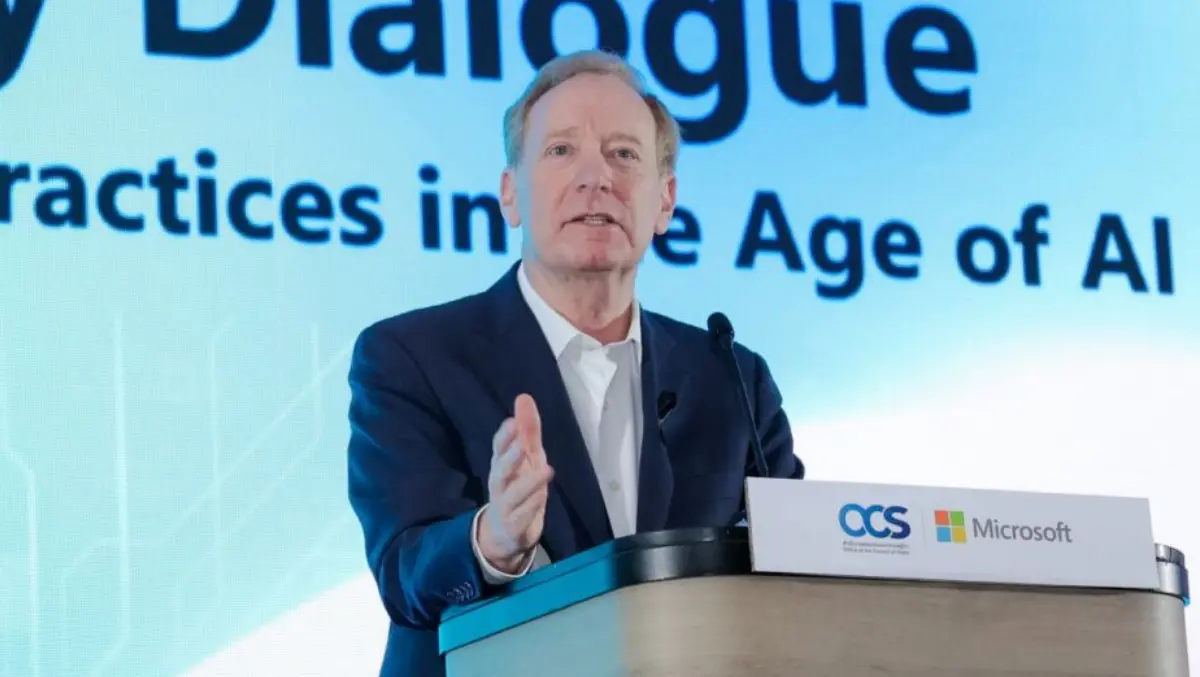
The announcement followed a meeting in Bangkok between Brad Smith, Microsoft vice chair and president, and Prime Minister Anutin Charnvirakul. It is the latest step in a partnership between the US technology company and the Thai government that has been developing since late 2023.
The investment centres on a new cloud and AI data centre build-out in Thailand, to be developed with local and international partners including Gulf Development, Advanced Info Service, Charoen Pokphand Group, True Corporation and True Internet Data Centre.
Microsoft said construction and operation of the Thailand cloud region will create skilled jobs and transfer technical knowledge to local partners. It also linked the spending to a broader push to expand AI use across the Thai economy.
Thailand is positioning itself as a digital and AI hub in South East Asia, while the government develops national policy on digital infrastructure, skills and regulation. Microsoft framed its latest move around three areas: technology infrastructure, trusted governance and workforce training.
Prime Minister Anutin Charnvirakul linked the investment to the country's wider economic plans. "Our ambition is for Thailand to grow as a regional driving force in Asia's digital and AI economy. To achieve this, we are focusing on building stronger foundations for the years to come - with a national digital and AI strategy that prepares our economy for opportunities presented by new S-curve industries while also equipping Thai people with the capability to make the best use of advanced technologies. Microsoft's announcement today is a direct contribution to that effort and a clear expression of confidence in Thailand's future," he said.
Infrastructure build
At the centre of the plan is an expansion of Microsoft's cloud and AI infrastructure footprint in Thailand. The facilities will be built to the company's global standards and include measures related to energy and water use.
They are intended to support Thai organisations seeking local access to cloud computing and AI services. For businesses and public bodies, local infrastructure can help address requirements around latency, data handling and the location of digital services.
Microsoft also pointed to a wider gap in AI adoption between richer and developing economies. It said Thailand is moving in the right direction, but sustained investment in infrastructure and skills is needed for AI use to spread more evenly across the workforce.
"As the cloud and AI become central to economic growth and national competitiveness, countries need both access to world‐class technology and the know‐how to put it to work," said Brad Smith, vice chair and president of Microsoft. "Microsoft is proud to support Thailand's vision for secure cloud and AI, combining trusted infrastructure, secure platforms, and skills so AI adoption translates into real competitiveness and job creation."
In a separate comment, Smith addressed AI uptake more directly. "There is a noticeable gap in AI diffusion between the world's most advanced economies and the developing world. Thailand is already moving in the right direction, and we are committed to helping the cloud and AI advance this country's entire economy and all of its people," he said.
Policy and trust
Beyond the physical infrastructure, Microsoft is working with Thai authorities on governance, cybersecurity and AI regulation. It said the effort is intended to align with Thailand's legal and policy frameworks rather than operate separately from them.
One example is its work with the Office of the Council of State. Together, they developed TH2OECD, an AI-based legal analysis system built on Azure OpenAI that compares Thai legal documents with OECD standards as Thailand pursues accession to the organisation.
Microsoft also announced a new collaboration involving Microsoft Thailand and the United States Trade and Development Agency. It begins with a USTDA grant of USD $950,000 in cash and USD $250,000 in Microsoft Azure credits for Thai AI developer Ai-ssistance to build tools for aCommerce, an eCommerce services provider operating across ASEAN.
Skills push
Training is the third strand of the initiative. Over the past two years, Microsoft said it has helped more than 2 million people in Thailand acquire AI skills, including through work with the Ministry of Education and the National Digital Learning Platform.
According to Microsoft, that platform reaches more than 600,000 high school students and is being updated with AI tools intended to support more consistent education quality. The company is also introducing Microsoft Elevate for Educators and Microsoft Elevate for Changemakers in Thailand as part of its broader skills programmes.
Workforce training extends beyond schools. Through a partnership with the Ministry of Labour's Department of Skill Development, Microsoft aims to upskill and certify 150,000 workers, with more than 280 AI courses in Thai available on the department's online training platform.
Dhanawat Suthumpun, managing director of Microsoft Thailand and Emerging Markets, said the broader goal is widespread AI use across society. "AI is a powerful force for inclusive growth, and Thailand has a remarkable opportunity to extend its impact to everyone. With intelligence in the hands of every Thai, we enable everyone to innovate and grow in the way they decide. One person, a small business, a large company or a government agency can make real impact, change the way we work, or create new opportunities we have never seen before. This is how AI can create genuine competitive advantage for Thailand and help us build a better society for all," he said.