

DoubleVerify cuts TikTok brand violations in PepsiCo test
Thu, 10th Sep 2026.webp)
DoubleVerify has reported results from a TikTok campaign with PepsiCo Philippines that used its pre-bid controls, reducing brand suitability violations by up to 2.4 times.
The test also found higher engagement and video completion rates when DoubleVerify's controls were used alongside TikTok's Inventory Filter.
As TikTok becomes a larger part of digital marketing plans, brands have increased spending on the platform. But user-generated video remains a challenge for advertisers seeking to avoid unsuitable adjacencies. Pre-bid controls are designed to block those placements before an advertiser bids, rather than flagging issues after an ad has run.
In the PepsiCo Philippines campaign, DoubleVerify said its video exclusion lists reduced brand suitability violations while still allowing the campaign to deliver at scale. Campaigns using both TikTok's Inventory Filter and DoubleVerify's controls recorded engagement and video completion rates that were 15% to 30% higher, it added.
How it worked
DoubleVerify said its system uses automated exclusion lists for TikTok videos and updates them every three hours. Each list can contain up to 200,000 video IDs, allowing brands to apply controls across large volumes of content without manual intervention.
The controls also sit alongside post-bid measurement, giving advertisers a way to review where ads appeared and assess media quality after delivery. That combination reflects a wider trend in digital advertising towards tighter oversight of social media placements as marketers seek both reach and safeguards.
PepsiCo's use of the tool offers an example of how large consumer brands are trying to balance visibility on fast-moving social platforms with the need to protect brand image. The issue has become more pressing as short-form video services rely heavily on user-uploaded content and advertising systems place campaigns rapidly across vast inventories.
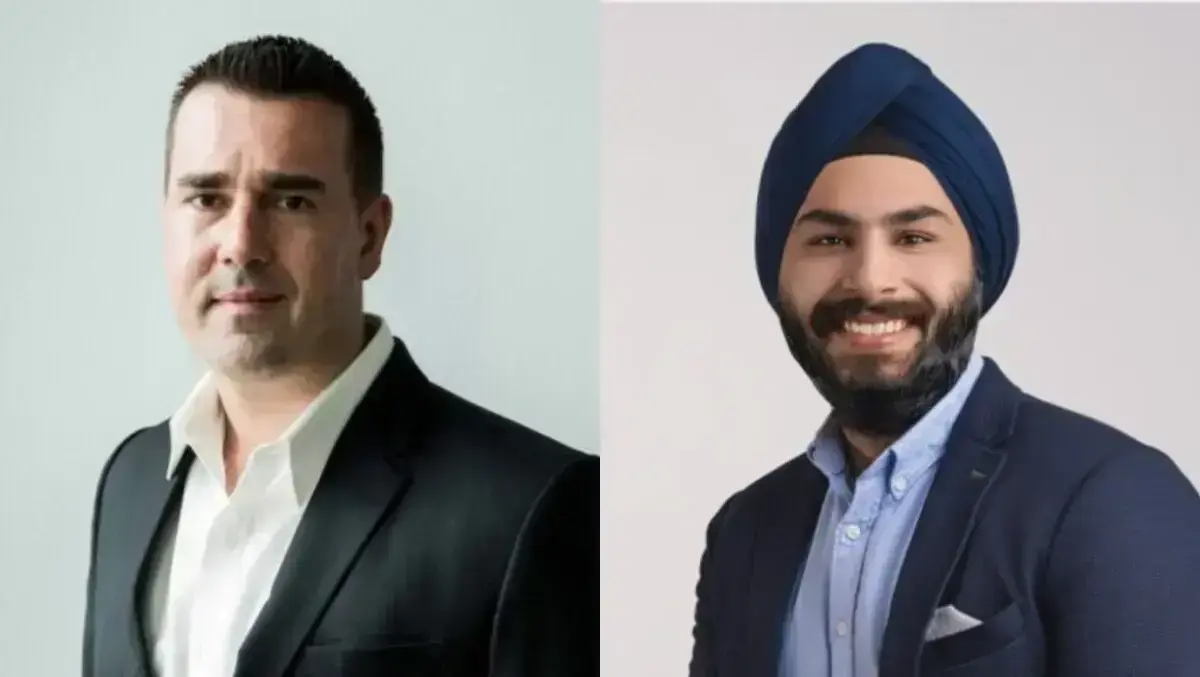
Conrad Tallariti, APAC Managing Director at DoubleVerify, commented on the campaign's outcome.
"TikTok presents a powerful opportunity for brands to connect with consumers, but it also requires a thoughtful approach to ensure brand suitability at scale. With DV's pre-bid exclusion lists, brands like PepsiCo can proactively limit unsuitable content, reduce risk, and drive stronger campaign performance, all without adding operational complexity," said Conrad Tallariti, APAC Managing Director at DoubleVerify.
Brand controls
Advertisers typically use a range of brand suitability tools to manage risk on open social platforms. These can include inventory filters set by the platform, keyword and category exclusions, and third-party verification services that classify content and measure whether placements meet agreed standards.
DoubleVerify's approach on TikTok centres on excluding videos in advance based on classifications made by its content analysis system. In this case, PepsiCo Philippines combined those exclusions with TikTok's own filtering layer, which the companies said improved not only suitability outcomes but also audience response.
That finding may attract attention from marketers who have often treated brand safety measures as a trade-off against campaign reach or efficiency. The figures disclosed by DoubleVerify suggest that tighter controls did not weaken performance in this case and may have improved the quality of media placements.
Harjyot Singh, Head of Media, Digital & Investments, Asia at PepsiCo, said the company was looking for a way to maintain standards while continuing to reach large audiences.
"Maintaining brand integrity while reaching consumers at scale is critical to our digital strategy. DV's pre-bid controls on TikTok provided us with a reliable, automated way to reduce brand suitability risks while continuing to deliver impactful campaigns," said Harjyot Singh, Head of Media, Digital & Investments, Asia at PepsiCo.
Wider market
The results come as verification and measurement providers try to expand their role in social advertising, where platforms have historically kept tighter control over data and ad placement systems than in the open web. As social media budgets have grown and scrutiny of online content has intensified, marketers have pushed for more independent checks.
DoubleVerify said its TikTok controls are available globally, allowing multinational advertisers to apply the same standards across markets. For large brands operating in multiple countries, consistency in ad placement rules has become an important part of media buying as campaigns are managed across a mix of agencies, local teams and platforms.
It also said the automated structure of the exclusion lists reduces the need for staff to update controls manually. In practical terms, media teams can set parameters and rely on the system to refresh regularly as new content appears on the platform.
For brands active on TikTok, the PepsiCo Philippines campaign offers a data point in the broader debate over whether stricter controls can coexist with strong results on user-generated platforms. In this case, DoubleVerify said the combination of pre-bid exclusions and platform filtering led to fewer incidents and stronger completion and engagement rates.