Online Safety stories
Sensitive prompts and documents will stay out of model training as ExpressVPN enters AI software with an enclave-based service for Pro subscribers.
Battleground-state voters overwhelmingly support tighter insurance rules and AI guardrails, citing unaffordable care and risks for children.
Users can now check suspicious images, video and audio in real time as concern mounts over AI-generated content spreading online.
Researchers can now report AI misuse and harmful agent behaviour under a separate programme that could expose risks in ChatGPT Agent and Browser.
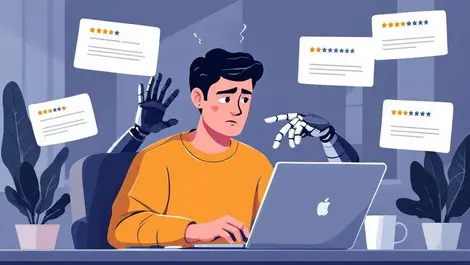
Bazaarvoice finds nearly a quarter of shoppers use AI to write reviews, yet almost two thirds distrust AI-assisted feedback as inauthentic.
OpenAI sets out new safeguards for its Sora 2 video app, tightening controls on likeness, teens, harmful content and AI-generated audio.
Cybercriminals exploit Keitaro ad tracker to cloak AI trading scams and malware, tying some 15,500 malicious domains into a hidden network.
Security flaws in 17 AI companion apps used by 150m people could expose intimate chats, photos and voice messages to attackers.
OXIL unveils a safeguarding-based blueprint to fight online scams, shifting responsibility from individuals to coordinated organisational action.
Norton launches Genie scam assistant in ChatGPT, letting users tag @Norton to analyse emails, texts, images and links for fraud risks.
Free data, donated devices and rural coverage have helped one million digitally excluded people in the UK get online, Virgin Media O2 said.
The free two-year service will give young people at Bentswood Hub faster access to homework help, digital skills and online support.
Gen Z in the UK face the steepest surge in online scam attempts as AI-powered fraud grows more convincing and younger shoppers stay less wary.
Norton unveils Revamp, an AI tool to help professionals craft and schedule credible social posts while keeping full control of their voice.
ComplyCube launches real-time device, phone and email checks to help firms spot online fraud earlier without slowing genuine customers.
Survey finds many Australians shrug off data breach warnings, seeing cyber attacks as inevitable despite rising risks and tailored support calls.
EE and Samsung launch free AI masterclasses at Westfield White City, with Galaxy AI demos and a GBP £100 voucher for attendees.
AI-powered deepfakes and targeted malware ads are fuelling a new wave of scams, leaving UK small firms dangerously exposed online.
Virgin Media O2 urges families on benefits to claim little-known cheap social tariffs as online revision becomes crucial for exam success.
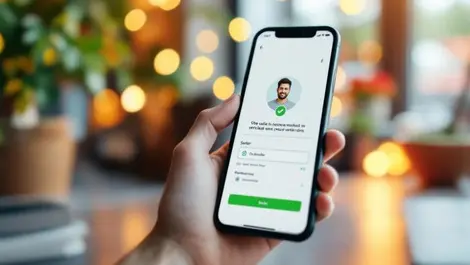
Gumtree introduces verified badges and stricter checks for business sellers in the UK, aiming to boost user trust and deter fraud.