

Infosec stories

TCS expands Google Cloud tie-up with four AI offerings
Today
#
manufacturing
#
hybrid cloud
#
digital transformation
TCS deepens Google Cloud partnership with four new AI products aimed at speeding enterprise automation, factory efficiency and cyber defence.
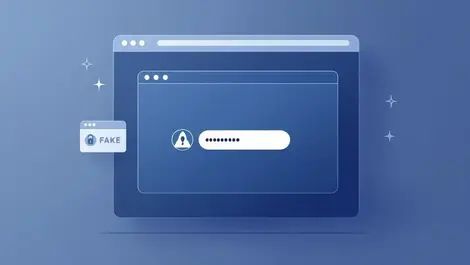
Keeper launches Verify Mode to block phishing logins
Today
#
pam
#
cloud security
#
phishing
Keeper Security launches Verify Mode for enterprise browser extension, warning users before passwords are entered on suspicious sites to curb phishing logins.

AI tools widen cyber attack threat, Flashpoint warns
Last week
#
firewalls
#
digital transformation
#
network security
AI tools are speeding up vulnerability hunting and could help lower-skilled hackers exploit flaws far sooner, Flashpoint has warned.

Barracuda spots 7 million device code phishing attacks
Last week
#
firewalls
#
mfa
#
cloud security
Barracuda links surge in device code phishing attacks to EvilTokens kit as criminals exploit Microsoft 365 logins and bypass multifactor checks.

VPN vulnerabilities don't have to become breaches
Last week
#
firewalls
#
vpns
#
ransomware
Unpatched VPN gateways are leaving organisations open to ransomware and outages, as modern Zero Trust access cuts off the exposed front door.

CrowdStrike launches AI security coalition with partners
Last week
#
cloud security
#
application security
#
devsecops
CrowdStrike unveils AI security coalition with Accenture, EY, IBM Cybersecurity Services, Kroll and OpenAI to spot and fix code flaws faster.

DTEX warns Telegram & WhatsApp AI agents risk exfiltration
Last week
#
virtualisation
#
physical security
#
dlp
DTEX warns that AI agents controlled via Telegram and WhatsApp can quietly access files, expose credentials and exfiltrate data from endpoints.

Apricorn launches 32TB offline encrypted desktop drive
Last week
#
storage
#
data protection
#
dr
Apricorn broadens its Aegis Padlock DT FIPS line with a 32TB hardware-encrypted desktop drive for offline backups and sensitive data.

Thrive launches Abacode compliance services after deal
Last week
#
data protection
#
dr
#
socs
Thrive widens post-Abacode push with managed compliance service for firms facing tougher rules and cyber risk.

Everywhen issues six checks to spot unsafe websites
Last week
#
malware
#
endpoint protection
#
phishing
Everywhen warns businesses and consumers to check web addresses, padlocks and browser alerts as fake sites fuel rising cyber fraud risk.

Anthropic & OpenAI split on cyber AI release strategy
Last week
#
devops
#
hyperscale
#
cloud security
Anthropic and OpenAI take rival paths on AI cyber tools, as one keeps access tightly restricted while the other widens vetted user access.

NEC teams with Anthropic for Japan AI enterprise tools
Last week
#
devops
#
manufacturing
#
digital transformation
NEC and Anthropic team up to develop secure AI tools for finance, manufacturing and local government in Japan.
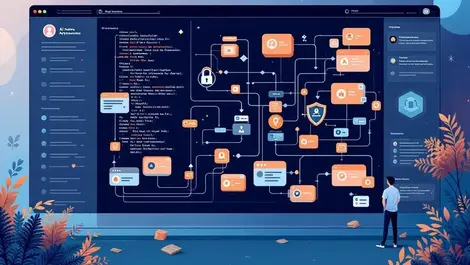
Lineaje survey finds AI code confidence outpaces visibility
Last week
#
digital transformation
#
application security
#
devsecops
Lineaje survey flags a widening governance gap as most firms use AI-generated code, yet few can fully see or track it.

Singapore firms urged to loosen AI identity controls
Last week
#
devops
#
digital transformation
#
pam
Singapore firms warn of AI identity gaps as most security teams are pressed to relax controls, with machine accounts and agents posing risks.

One-third of FIFA World Cup partners lack email protection
Last week
#
gaming
#
data protection
#
mfa
Proofpoint warns that 36% of FIFA World Cup 2026 commercial partners still lack the strongest DMARC settings, leaving fans exposed to spoofed emails.
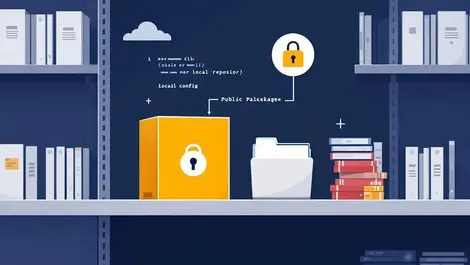
Claude Code can leak secrets in public npm packages
Last week
#
data protection
#
application security
#
devsecops
Check Point says Anthropic's Claude Code can quietly stash credentials in .claude/settings.local.json, which may be published in public npm packages.

Check Point teams with Google Cloud on AI agent security
Last week
#
firewalls
#
data protection
#
digital transformation
Check Point and Google Cloud add governance and live monitoring to enterprise AI agents as firms race to secure autonomous workflows.

LevelBlue warns of GhostOps risk from rogue AI agents
Last week
#
data protection
#
digital transformation
#
cloud security
LevelBlue says unsanctioned AI agents are slipping into enterprise systems, creating a hidden governance and security blind spot for businesses.

Rubrik launches Google Cloud tools for AI governance
Last week
#
storage
#
data protection
#
dr
Rubrik adds Google Cloud controls for AI agents and Cloud SQL backups as enterprises race to govern autonomous systems and protect data.

Check Point tops Miercom hybrid mesh security benchmark
Last week
#
firewalls
#
ransomware
#
hybrid cloud
Check Point claims fourth straight win in Miercom hybrid mesh security test, scoring 99.8% and beating rivals on phishing and malware blocking.