

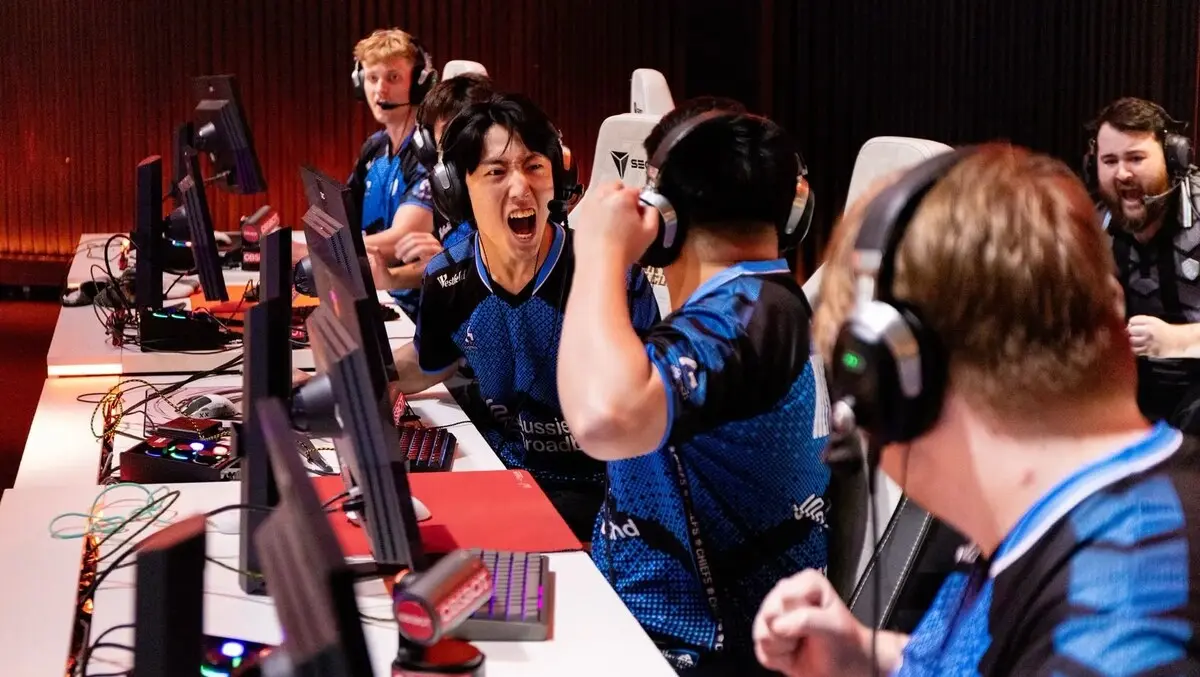
Young Australians back esports careers but know few jobs
Wed, 21st Oct 2026 (Today)
Logitech G has published research showing that 75% of Australians aged 18 to 24 view professional gaming as a legitimate career. The survey also found that fewer than a third of people in that age group could identify specific jobs in esports.
The findings come from a study of 1,500 Australians and form part of a wider international poll of 18,000 people across 12 markets. Among younger respondents in Australia, no esports role recorded recognition above 32%, despite broad acceptance of the sector as a career path.
The results point to a disconnect between the rising status of competitive gaming and public understanding of how the industry employs people. Professional players are the most visible part of esports, but the research suggests many young adults remain unclear about the wider range of work across teams, tournaments and game-related operations.
That gap is significant because Australia's youngest adult cohort appears notably more open to gaming as a profession than older generations. Among respondents aged over 55, just over 4% said esports provides job security, indicating far less confidence in the sector.
Views on long-term financial stability were also more cautious among older Australians. Only 21% of those over 55 thought professional gaming provides long-term financial security, underlining a more sceptical view of the industry's prospects.
Perception gap
Dan Hall, Senior Product Manager, Logitech G ANZ, said the figures reflected both progress and uncertainty in public attitudes.
"Gaming has long ceased being just a hobby - it's a thriving industry, and young Australians are keenly aware of this," Hall said.
"With such large numbers seeing esports as a legitimate career, it's clear that its future is bright. However, this enthusiasm needs to translate into concrete progress, and as this research shows, that's easier said than done.
"For professional gaming to continue to thrive, more awareness is needed on how the sausage is made - that is, looking beyond the player in the chair and into the opportunities available within different teams and beyond. There are plenty of ways into the profession, from talent scouting to virtual gear optimisation. It's just about showing where these pathways are."
The data adds to a broader shift in how gaming is discussed in education, careers advice and consumer technology markets. As esports has gained larger audiences, sponsorships and media attention, the image of gaming as a pastime has expanded into a more formal employment category in the minds of younger people.
Yet the research suggests recognition has not matured evenly. Young adults may accept the legitimacy of professional gaming in principle, but many still appear unable to name the roles that keep the industry running. That raises questions for employers, educators and gaming brands seeking to present esports as a viable option beyond elite competition.
Generational split
The contrast with older respondents was marked. Hall said the divide was understandable, given the relative novelty of esports compared with more established sports and media careers.
"The increase in global coverage of esports competitions and leagues has been marked and impressive," Hall said.
"But as our research shows, different generations have varying views of gaming as a career. That is to be expected, but overall, there is growing recognition of competitive gaming as a legitimate and respected profession.
"As audiences grow, aspirations shift and legitimacy strengthens, esports is now entering its prime in Australia. From collaborating with elite players, teams and leagues to championing grassroots, amateur and collegiate programs worldwide, we've been instrumental in driving the industry forward. Our commitment remains steadfast: to empower players, gamers and creators at every level, and to foster the growth of esports in a way that is inclusive, accessible and impactful for future generations."
The Australian results sit within a global study conducted across the UK, France, Germany, Spain, Poland, Switzerland, Sweden, the US, Brazil, South Korea, China and Australia. Censuswide carried out the poll in coordination with Logitech G.
For the local market, the central finding was not that young Australians reject esports as work, but that many may still lack a clear picture of what employment in the field involves. In that sense, the challenge for the industry may be less about legitimacy than visibility of the jobs behind the screen.