

Wellio finds students know wellbeing tips but not use them
Tue, 15th Sep 2026
Wellio has released an analysis of wellbeing responses from more than 72,000 students across 313 Australian schools, pointing to a gap between students knowing wellbeing strategies and using them under stress.
The report found that 56% of students said they know the steps they can take to calm down when they feel worried, angry or sad, but only 36% said they practise techniques to stay calm when stress is already high. The findings are drawn from aggregated, self-reported baseline responses collected between February 2025 and July 2026 through Wellio's 30-question Wellbeing Skills Index.
Almost all responses came from secondary students, with 98% of the sample made up of students in Years 7 to 12. The analysis covered eight wellbeing domains, including self-regulation, help-seeking, digital wellbeing and sleep.
Support gap
A similar pattern emerged in help-seeking. While 75% of students said they have a person or place to turn to for help, only 61% said they know how to start asking for that support.
The report also identified gaps in students' digital habits. Some 79% said they can recognise inappropriate online behaviour and know what to do, yet only 52% said they carefully manage their technology use and 44% said they do not compare themselves with others online.
Sleep was another weak point. Only 35% of students said they wake feeling refreshed and rested.
The findings suggest that access to support alone may not be enough if students have not practised the steps needed to use it when pressure builds. They also indicate schools may need to put more emphasis on repeated practice of wellbeing skills rather than assume awareness will translate into action.
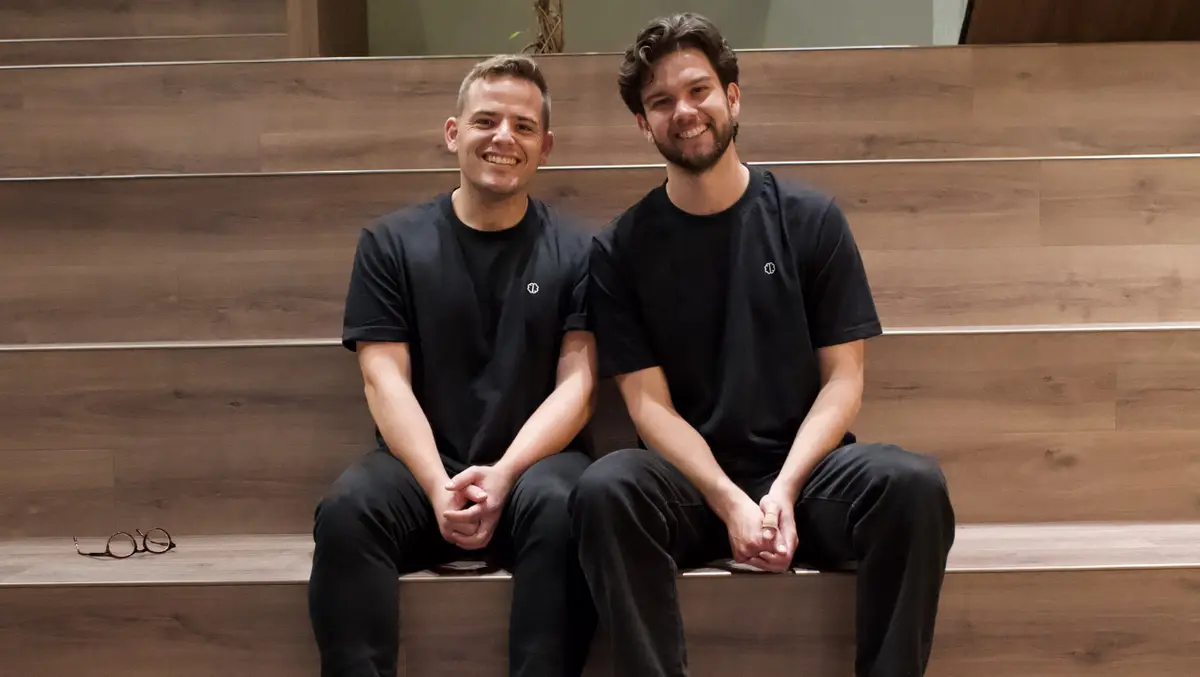
Lachlan Oreo, Co-founder of Wellio, said the results showed a gap between knowing a response in theory and using it in difficult moments.
"A student can often tell you what the right step is in a calm moment and still find it hard to do that when they are stressed, overwhelmed or unsure how to start," Oreo said.
"Practising these skills needs to be part of wellbeing education, not something we only think about once a student is already struggling. The more opportunities students have to practise self-regulation and help-seeking in everyday situations, the easier those skills are to draw on when they really need them."
Year-level differences
The data also showed differences between younger and older secondary students. Year 12 students were more likely than Year 7 students to say they practise calming techniques under stress, at 42% compared with 34%.
Older students scored lower on some other measures. Among Year 12 students, 77% said they have fulfilling hobbies, compared with 85% of Year 7 students. Some 67% of Year 12 students said they feel proud of their achievements, compared with 75% of Year 7 students.
These differences suggest wellbeing priorities may shift across school years. The results indicate schools may need to tailor wellbeing education by year level rather than apply the same focus throughout secondary school.
How data was gathered
The analysis is based on responses from schools that use Wellio, which provides lesson content, wellbeing surveys and implementation support. The report does not represent all Australian students, is not a national benchmark and should not be read as a measure of change over time.
No individual student or school was identified in the analysis. The results were presented in aggregate form only.
Wellio's platform includes more than 600 curriculum-aligned lessons for students from early primary to senior secondary, alongside survey tools for school leaders and support services for staff and parents. The latest dataset, however, largely reflects the views of secondary school students, given the make-up of the response pool.
The figures add to concerns among educators about how students manage stress, ask for help and navigate digital life. They also highlight a recurring issue in school wellbeing programs: students may understand what healthy behaviour looks like without feeling ready to put it into practice when it matters.